Ignoring the soil beneath your project is akin to building a house of cards on an unstable table. Here's why comprehensive soil testing is absolutely non-negotiable for safe building practices, especially in diverse geological regions like India:
- Designing the Right Foundation: No Guesses, Only Data
The foundation is the interface between the structure and the ground. Its design must be perfectly matched to the soil's characteristics.
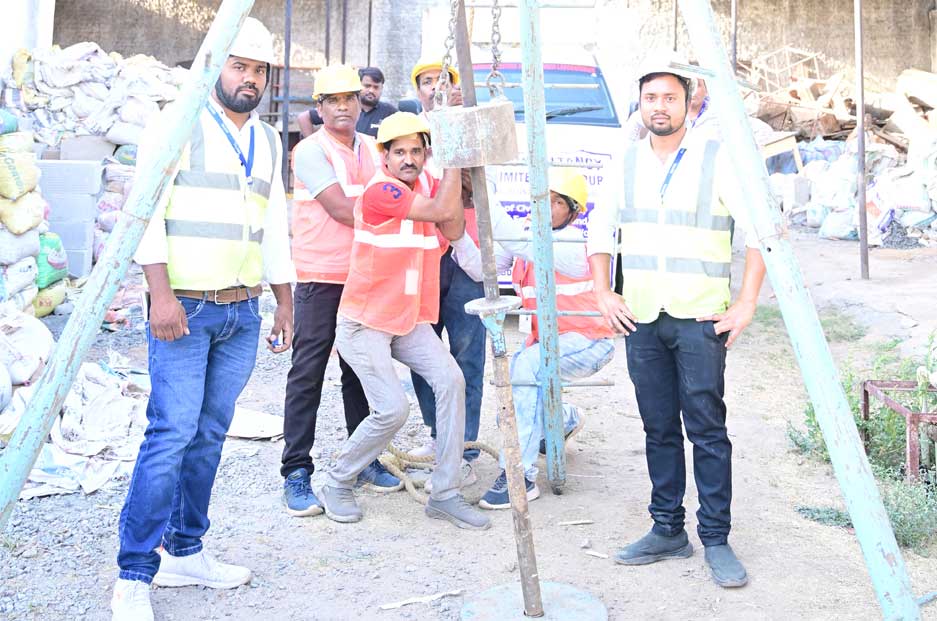
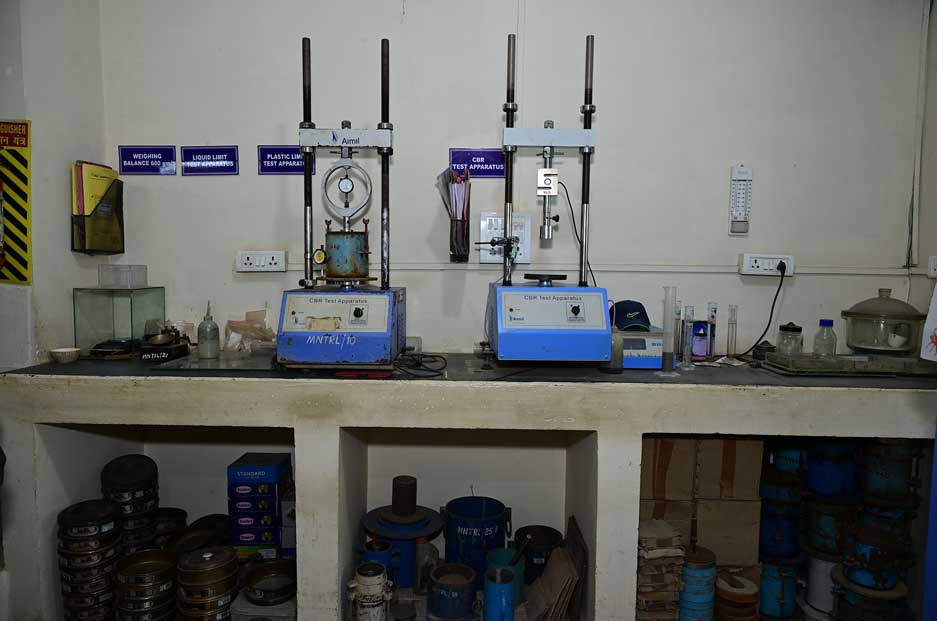
- Determining Bearing Capacity: This is perhaps the most critical data point. Soil tests (like the Standard Penetration Test or Plate Load Test, as per Indian Standards like IS 2720 series) quantify exactly how much load the soil can safely support without excessive settlement or failure.
- Choosing Foundation Type: Different soils demand different foundations. Loose sandy soils might require wider footings, while expansive clays (like the Black Cotton Soil common in parts of Madhya Pradesh) necessitate specialized solutions like under-reamed piles or raft foundations to counteract swelling and shrinking.
- Optimizing Depth and Dimensions: Soil testing guides engineers on the ideal depth and size of foundations to distribute the building's weight effectively and reach stable strata.
- Preventing Costly & Dangerous Structural Failures
The repercussions of inadequate soil assessment can be catastrophic.
- Avoiding Differential Settlement: If parts of a building's foundation settle unevenly due to varied soil conditions, it can lead to severe cracks in walls, floors, and even structural collapse. Soil testing helps predict and prevent this.
- Mitigating Landslides & Instability: For projects on slopes or near water bodies, soil testing assesses stability, identifying risks of landslides or erosion and informing necessary remediation measures.
- Addressing Problematic Soils: Beyond bearing capacity, tests identify issues like high water tables, liquefaction potential (where soil temporarily loses strength during earthquakes), or corrosive elements that can degrade foundation materials over time.
- Ensuring Long-Term Durability & Reducing Maintenance
A building is a long-term investment. Its lifespan is directly linked to the stability of its foundation.
- Minimizing Future Repairs: Foundation repairs are among the most expensive and disruptive issues a building owner can face. A small investment in soil testing upfront can save crores in future remediation costs.
- Optimizing Construction Methods: Understanding soil properties allows contractors to choose appropriate excavation techniques, dewatering strategies, and compaction methods, ensuring a more stable and durable base.
- Chemical Analysis for Material Selection: Soil pH and chemical composition can impact concrete and rebar. Testing helps select the right cement type (e.g., sulphate-resistant cement if harmful salts are present) and protective measures for steel.
- Meeting Regulatory Standards & Project Approvals
In India, building codes and regulations often mandate detailed soil investigations as a prerequisite for construction permits, especially for large or public projects.
- Legal Compliance: Adhering to Indian Standards (IS codes like IS 2720 for various soil tests, and IS 1904 for foundation design) is not just good practice but a legal necessity.
- Smooth Approvals: Comprehensive geotechnical reports, derived from thorough soil testing, are essential documents for securing government and municipal approvals, preventing delays.
- Smart Investment & Enhanced Project Value
While soil testing adds an initial cost to a project, it is unequivocally a smart investment.
- Risk Mitigation: It's a proactive step that identifies and mitigates risks before they become costly liabilities.
- Cost Efficiency: By preventing over-design (using excessive materials when not needed) and avoiding expensive post-construction issues, soil testing ultimately saves money.
- Increased Property Value: A building with a well-designed, stable foundation based on proper soil investigation offers greater peace of mind and higher long-term value.



 Build on Certainty. Choose MNTRL Consultancy Pvt. Ltd. for Your Soil Testing Needs.