The impact of material testing extends far beyond mere compliance; it directly influences the safety, durability, cost-effectiveness, and overall success of any construction endeavor. Here’s why it's indispensable:
- It's the Backbone of Structural Safety
Every building, bridge, or road is designed to withstand specific loads and environmental stresses. Without material testing, engineers would be designing in the dark.
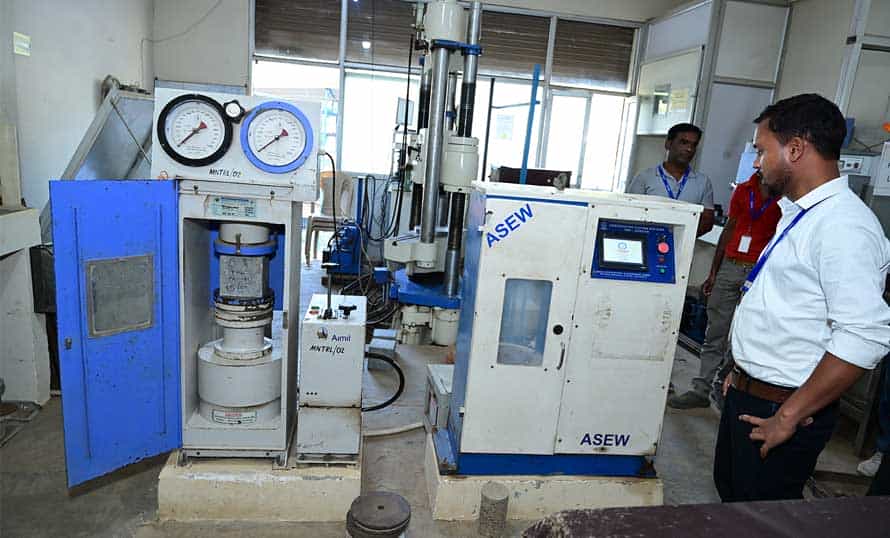
- Verifying Strength: Tests confirm that concrete reaches its specified compressive strength, steel has the necessary tensile strength, and soil can bear the intended loads without excessive settlement.
- Preventing Catastrophic Failures: Weak or substandard materials are a leading cause of structural collapses, accidents, and immense loss. Testing identifies these deficiencies before they become tragedies.
- Ensuring Longevity: Durable materials mean structures that last for decades, reducing the need for premature repairs or costly reconstruction.
- It Drives Uncompromised Quality Control
Quality in construction isn't a final inspection; it's a continuous process. Material testing integrates quality control at every critical juncture of a project.
- From Source to Site: It verifies that raw materials delivered to the site meet the precise specifications, rejecting anything that falls short.
- Consistency in Production: For site-mixed materials like concrete or asphalt, testing ensures uniformity in batches, guaranteeing consistent performance across the entire structure.
- Minimizing Reworks: Identifying and rectifying material issues early in the process is vastly more cost-effective and time-saving than discovering them after construction has progressed.
- It Ensures Strict Regulatory & Legal Compliance
In India, the construction sector is meticulously regulated by codes and standards set by bodies like the Bureau of Indian Standards (BIS), Indian Road Congress (IRC), and various municipal corporations. These standards mandate specific performance criteria for construction materials.
- Project Approvals: For many projects, particularly public infrastructure, certified material test reports are a mandatory requirement for obtaining necessary permits and approvals.
- Avoiding Penalties & Litigation: Non-compliance can lead to hefty fines, project delays, legal disputes, and even the blacklisting of contractors and developers.
- Building Public Trust: Adherence to established standards demonstrates a commitment to quality and public safety, enhancing the reputation of all stakeholders involved.
- It Validates Designs & Optimizes Resource Use
Material testing provides crucial data that helps engineers confirm their design assumptions and fine-tune material mixes for optimal performance and cost-efficiency.
- Foundation Design: Soil testing (e.g., compaction, bearing capacity) is fundamental for designing safe and stable foundations, preventing differential settlement.
- Mix Design Optimization: For concrete, asphalt, and other composites, tests help engineers determine the ideal blend of materials to achieve desired strengths, workability, and durability while often minimizing material consumption.
- Informed Decision-Making: Real-world test data empowers engineers to make data-driven decisions, leading to more robust and economical designs.
- It Mitigates Risks & Delivers Significant Cost Savings
While material testing is an investment, it's one that yields substantial returns by preventing far more expensive problems down the line.
- Preventing Costly Failures: The financial impact of a structural failure – from repairs to legal fees and reputational damage – far outweighs the cost of proactive testing.
- Reducing Maintenance Costs: Structures built with high-quality, tested materials require less frequent maintenance and repairs over their lifespan.
- Ensuring Project Timelines: Avoiding material-related issues helps keep projects on schedule, preventing expensive delays and liquidated damages.
- Enhancing Asset Value: A well-built, durable structure maintains its value over time, providing better returns on investment.



 Your Project Deserves the Best. Choose MNTRL Consultancy Pvt. Ltd.